
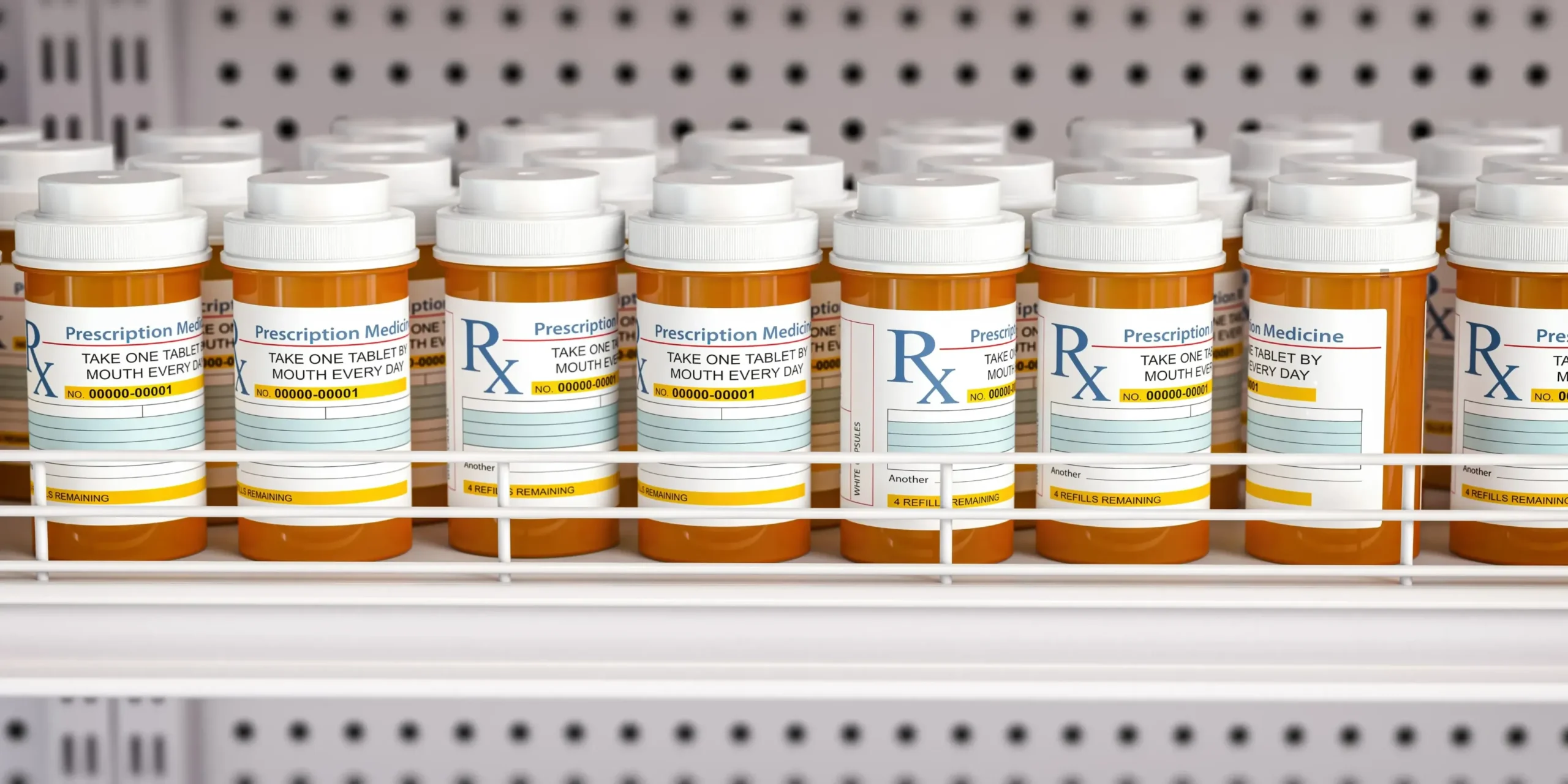
Pain medications, muscle relaxers, anti-inflammatories, and other prescriptions can support healing when used correctly. However, improper storage of these medications can lead to serious safety risks, including accidental ingestion, misuse, or reduced effectiveness. Safe storage is a simple but critical step in protecting yourself, your family, and your recovery.
Whether you are temporarily using prescriptions after an accident or managing longer-term treatment, under the guidance of a pain management doctor, following best practices for medication storage helps ensure your treatment plan stays safe and effective.
Understand Why Safe Medication Storage Matters
Prescription medications are powerful substances designed to treat specific conditions. When stored improperly, they can pose risks to children, pets, visitors, and even the patient taking them. Accidental overdoses, medication mix-ups, and theft are more common than many people realize.
From a medical perspective, improper storage can also affect how well a medication works. Heat, light, moisture, and air exposure can degrade certain drugs, making them less effective or unsafe. Our goal is to help you recover safely, and proper storage plays a role in that process.
Keep Medications Out of Reach and Out of Sight
One of the most important tips for safe storage of prescription medications is keeping them out of reach of children and pets. Even medications that seem harmless can cause serious harm if taken by someone they were not prescribed for.
Best practices include:
- Store medications in a high cabinet or drawer
- Use child-resistant containers as intended
- Avoid leaving medications on counters, nightstands, or in purses
If children are present in the home, consider a locking storage box or cabinet. This extra step can prevent accidental ingestion and provide peace of mind.
Use Original Containers With Clear Labels
Always store prescription medications in their original pharmacy containers. These containers are designed to protect the medication and provide essential information, including dosage instructions, expiration dates, and warnings.
Removing pills from their original containers can increase the risk of:
- Taking the wrong medication
- Forgetting dosing instructions
- Missing critical safety warnings
If you use a pill organizer, keep the original containers nearby so you can refer to the instructions if needed. Our team encourages patients to double-check labels regularly, especially when managing multiple prescriptions after an accident.
Store Medications in a Cool, Dry Place
Many people assume the bathroom is the best place for medications, but moisture and temperature changes can damage certain drugs over time. Heat and humidity may reduce the effectiveness or alter how a medication works.
In general, medications should be stored:
- Away from direct sunlight
- In a cool, dry location
- Away from heat sources such as stoves or radiators
A bedroom drawer or dedicated cabinet outside the bathroom is often a better option. Always follow specific storage instructions listed on the medication label, as some prescriptions require refrigeration.
Lock Up Controlled Medications
Pain medications and other controlled substances require extra caution. These prescriptions are more likely to be misused or stolen, even by people you know. Safe storage helps protect both your health and your legal responsibility as the patient.
We recommend the following safety steps:
- Use a lockbox or locking cabinet
- Avoid sharing medications under any circumstances
- Keep track of how many pills you have remaining
Proper storage also reduces the risk of someone taking your medication and leaving you without adequate pain control during recovery.
Be Mindful When Traveling or Leaving Home
If you are traveling or staying outside your home, medication storage still matters. Never leave prescriptions in a hot car, where temperatures can quickly rise and damage the medication.
When traveling:
- Keep medications with you rather than in checked luggage
- Use discreet, secure containers
- Store them in a safe place in hotel rooms or temporary housing
Consistency matters, both in taking medications as prescribed and in storing them safely wherever you go.
Avoid Mixing Medications Together
Storing different prescriptions in the same container increases the risk of confusion and dosing errors. Even if pills look different, it can be easy to mistake one medication for another, especially if you are dealing with pain, fatigue, or stress after an accident.
Keep each medication:
- In its own labeled container
- Organized in a way that supports correct dosing
- Clearly separated from over-the-counter drugs
If you are unsure about organizing medications safely, our providers are always happy to review your prescriptions and answer questions.
Dispose of Unused or Expired Medications Properly
Safe storage also includes knowing when and how to dispose of medications you no longer need. Keeping unused or expired prescriptions increases the risk of accidental use or misuse.
Recommended disposal options include:
- Pharmacy take-back programs
- Authorized medication drop-off locations
- Community drug take-back events
Avoid flushing medications unless specifically instructed, as this can harm the environment. Proper disposal is an important final step in medication safety.
Communicate With Your Medical Team
If you have questions about how to store a prescription, do not guess. Different medications have different requirements, and clear guidance helps prevent mistakes. At ImpactMD Accident Care, patient education is part of quality care.
We encourage you to:
- Ask questions about storage instructions
- Report any concerns about medication safety
- Let us know if children or vulnerable individuals are in your home
Our team works closely with patients to ensure medications support recovery without introducing unnecessary risks.
Supporting a Safe and Successful Recovery
Prescription medications can be an integral part of healing after an accident, but safety does not stop once you leave our office. Thoughtful storage protects your health, your household, and the effectiveness of your treatment plan.
Contact Our Oklahoma Pain Management Doctors at ImpactMD Accident Care
If you have questions about your prescriptions, pain management options, or accident-related care, our board-certified team at ImpactMD Accident Care is here to help, with no out-of-pocket expense related to your accident care.
Contact us to schedule an appointment and get personalized guidance for your recovery.
ImpactMD Accident Care
301 SW 80th St
Oklahoma City, OK 73139
Mon–Thu: 7:30 AM–5 PM
Fri: 7:30 AM–12 PM
Sat–Sun: Closed
