
Joint and Nerve Blocks
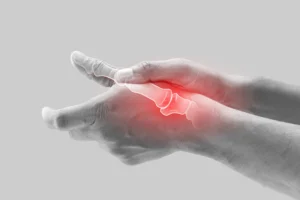 Accidents can cause damage to ligaments, muscles, and joints, as well as inflammation around spinal and peripheral nerves. Sometimes, the source of pain isn’t immediately obvious through imaging or physical exams alone. Joint and nerve blocks work both as diagnostic tools, helping confirm the origin of your pain, and as therapeutic treatments to reduce inflammation and discomfort so you can move more freely and continue rehabilitation.
If you have suffered an injury in an accident, you should seek a board-certified MD-led practice. At ImpactMD Accident Care, we are ready to help you understand why you may need a joint or nerve block after your accident.
Medial Branch Blocks: A Key Step in Spine Pain Relief
Medial branch blocks are one of the most common and effective blocks we use for patients after car accidents who develop neck, mid-back, or lower back pain from injured facet joints. These joints connect the bones of your spine and can become inflamed or irritated after a sudden impact, like a rear-end collision or whiplash injury.
During a medial branch block, our physician injects a small amount of local anesthetic near the medial branch nerves, which carry pain signals from the facet joints to the brain. The injection is performed under fluoroscopy (X-ray) guidance for precise targeting.
For accident recovery, medial branch blocks serve two essential purposes:
- Diagnosis – If you experience significant pain relief shortly after the injection, it confirms that the facet joints are the likely source of your discomfort.
- Treatment Planning – A positive response often means you may benefit from longer-lasting treatments like radiofrequency ablation, which can provide relief for months at a time.
Because many accident-related back and neck injuries involve facet joint irritation, medial branch blocks are often the first targeted step in restoring mobility and reducing pain.
Other Joint and Nerve Blocks in Accident Care
While medial branch blocks are a cornerstone in accident-related spine care, other types of blocks may be used depending on your symptoms and injury location.
SI Joint Blocks
The sacroiliac (SI) joints, located where the spine meets the pelvis, can be injured during high-impact collisions or falls. SI joint blocks involve injecting a local anesthetic near the nerves that supply the joint. If your pain improves temporarily after the procedure, it helps confirm the SI joint as the source of your discomfort.
Cluneal Nerve Blocks
Sometimes lower back or buttock pain after an accident is mistaken for sciatica when it’s actually caused by irritation of the cluneal nerves. A cluneal nerve block delivers an anesthetic to these small nerves, helping to both diagnose and relieve this type of pain.
Genicular Nerve Blocks
Knee pain after an accident—especially following fractures, ligament injuries, or surgery—can persist due to irritation of the genicular nerves around the knee joint. A genicular nerve block helps identify whether these nerves are contributing to chronic knee pain and may also provide relief to aid in physical therapy.
Occipital Nerve Blocks
Rear-end accidents and whiplash injuries can lead to headaches and migraines originating from the occipital nerves at the base of the skull. Occipital nerve blocks target these nerves with an anesthetic, sometimes combined with a steroid, to calm inflammation and reduce headache frequency.
Benefits of Joint and Nerve Blocks in Personal Injury Recovery
Joint and nerve blocks offer several benefits for patients recovering from car accidents or other injuries:
- Accurate Diagnosis – They help determine the exact source of pain, which is vital for creating an effective treatment plan.
- Immediate Relief – Many patients feel pain relief within minutes, allowing them to resume certain activities or therapy.
- Non-Surgical Option – These procedures are minimally invasive and can be performed in-office, typically with little downtime.
- Supports Rehabilitation – Reduced pain makes it easier to participate in physical therapy, which is essential for long-term recovery.
What to Expect During a Block Procedure
Most joint and nerve blocks are outpatient procedures that take less than 30 minutes. You’ll be positioned for comfort, and our physician will use imaging guidance to ensure accurate placement of the needle. A small amount of anesthetic, sometimes combined with anti-inflammatory medication, is injected near the targeted nerve. You’ll be monitored briefly afterward, and in most cases, you can return home the same-day.
The Role of Blocks in Your Recovery Plan
At ImpactMD Accident Care, joint and nerve blocks are rarely used in isolation. They’re part of a larger recovery plan that may include physical therapy, pain management, and targeted exercises to restore mobility. If a block confirms the source of your pain, we can move forward with the most effective treatments, whether that’s continued therapeutic injections, radiofrequency ablation, or other advanced options.
Ready to Learn More About Joint and Nerve Blocks? Contact Us Today
If you’ve been in a car accident and are living with persistent pain, joint and nerve blocks may be the key to both identifying the source of your symptoms and providing the relief you need to recover. With a focus on medial branch blocks for spine-related pain and other targeted block procedures for specific joints and nerves, our auto accident doctors help patients return to normal life with less pain and better function.
Call ImpactMD Accident Care today at (405) 483-3075 or contact us online to schedule your evaluation and learn whether a joint or nerve block can be the right next step in your recovery.
Recovery.



Recovery.
Hesitant to seek help? Waiting could cost you more than pain. Untreated injuries often worsen, and delayed care weakens insurance claims. Document your case now—ensuring timely treatment and fair compensation.
Your future self will thank you.
© 2026 Impact MD Accident Care All Rights Reserved.
