
Sprain and Strain Treatment in Oklahoma City
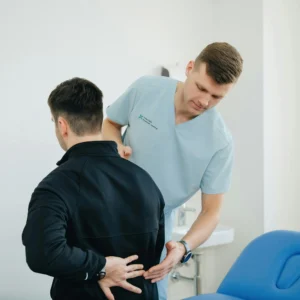 At ImpactMD Accident Care, we see many patients who come in with soft tissue injuries following car accidents, workplace incidents, or slip-and-fall accidents. Two of the most common injuries we treat are sprains and strains. While often used interchangeably, these terms describe different types of damage and require specific approaches to recovery.
Knowing the difference between a sprain and a strain, as well as how they’re diagnosed and treated, can help you better understand your injury and take the right steps toward healing. Call our office today to schedule your appointment (405) 483-3075.
Sprain vs. Strain: What’s the Difference?
Sprains – Ligament Injuries
A sprain occurs when a ligament—the tough band of tissue connecting bones at a joint—is stretched or torn. Ligaments stabilize joints, so a sprain often causes pain, swelling, and difficulty moving that joint.
Common sites for sprains include:
- Ankles (often from twisting or rolling the foot)
- Knees (especially during sports or falls)
- Wrists (frequently from trying to break a fall)
Strains – Muscle or Tendon Injuries
A strain involves stretching or tearing of a muscle or tendon (the tissue that attaches muscle to bone). Strains are often caused by sudden force, overuse, or improper lifting techniques.
Common strain locations include:
- Lower back (often from lifting heavy objects incorrectly)
- Hamstrings and quadriceps (common in athletes and runners)
- Shoulders (especially after overhead lifting or sudden pulling motions)
Common Causes of Sprains and Strains Related to Accidents
While sprains and strains can occur during sports or daily activities, accidents significantly increase the risk. At ImpactMD Accident Care, we often see these injuries in patients who have experienced:
- Car accidents – Sudden impact can twist joints unnaturally or cause muscles to stretch beyond their limits.
- Slips, trips, and falls – Landing awkwardly can put intense stress on ligaments and muscles.
- Workplace injuries – Heavy lifting, sudden pulling, or equipment-related incidents can strain soft tissues.
- Repetitive movements – In some cases, repetitive stress at work or home can weaken tissue, making it more vulnerable during an accident.
Symptoms of Sprains and Strains
Sprains and strains often share similar signs and symptoms, making them easy to confuse at first. Both injuries can cause pain at the site, swelling, bruising, limited range of motion, and tenderness when touched. However, there are subtle differences between the two. A sprain is more likely to result in joint instability and may be accompanied by a noticeable “popping” sensation at the moment of injury. In contrast, a strain often involves muscle spasms, cramping, or weakness in the affected area, reflecting the involvement of muscles or tendons rather than ligaments.
Diagnosing Sprains and Strains
Our board-certified, MD-led team takes a detailed approach to diagnosis to ensure your injury is properly identified and treated.
Medical History and Symptom Review
We start by discussing how your injury occurred, the type of movement or impact involved, and any previous injuries to the same area.
Physical Examination
We carefully evaluate swelling, bruising, range of motion, and strength. This helps us determine whether the injury is likely a sprain or a strain—and assess its severity.
Imaging Studies
While many sprains and strains can be diagnosed through physical examination alone, we may recommend imaging tests if we suspect a more serious injury, such as:
- X-rays to rule out fractures
- MRI scans to assess soft tissue damage
- Ultrasound for evaluating tendon injuries
Severity Levels
Sprains and strains are classified into grades based on how much damage has occurred.
Grade 1 (Mild):
- Slight stretching and microscopic tearing
- Mild pain and swelling
- Little to no loss of strength or mobility
Grade 2 (Moderate):
- Partial tearing of the ligament, muscle, or tendon
- Noticeable swelling, bruising, and pain
- Some loss of function and difficulty bearing weight
Grade 3 (Severe):
- Complete tear of the ligament, muscle, or tendon
- Significant swelling, bruising, and instability
- Severe loss of function; may require surgical intervention
Treatment Options at ImpactMD Accident Care
The treatment plan depends on the severity of your injury and your overall health. Our clinic offers a comprehensive, individualized approach for sprains and strains.
Rest, Ice, Compression, Elevation (RICE)
In the early stages, the RICE method is often recommended to reduce swelling and pain. We guide patients on how to safely rest the injured area without promoting stiffness.
Medication Management
Over-the-counter or prescription anti-inflammatory medications may be used to help control swelling and pain while healing progresses.
Physical Therapy
Once pain and swelling are under control, physical therapy plays a critical role in regaining strength, flexibility, and stability. Our in-house therapy team uses targeted exercises and techniques to help you recover safely.
Bracing or Support Devices
Depending on your injury, we may recommend braces, wraps, or splints to stabilize the joint or muscle during the healing process.
Interventional Pain Management
For severe or persistent pain, we offer advanced pain management procedures, including injections, to help reduce discomfort and support rehabilitation.
Recovery Timeline
Recovery time for sprains and strains depends on several factors, including the severity of the injury, your overall health, and how quickly treatment begins. Mild sprains or strains typically heal within one to three weeks, while moderate injuries may require four to eight weeks for recovery. Severe tears can take several months to heal and, in some cases, may require surgical intervention. Beginning treatment early not only shortens the healing process but also lowers the risk of developing chronic instability or experiencing the same injury again in the future.
Preventing Complications
If a sprain or strain is left untreated or not fully rehabilitated, it can lead to long-term complications. These may include chronic joint instability, muscle weakness, reduced range of motion, and a higher likelihood of re-injury. At ImpactMD Accident Care, we address both the immediate injury and the underlying strength and stability of the affected area to support full recovery and help prevent future problems.
Why Choose ImpactMD Accident Care
We provide no out-of-pocket expense accident care led by board-certified physicians. Our integrated team of medical providers, physical therapists, and pain management specialists works together under one roof to deliver personalized, effective treatment. We offer same-day appointments for immediate injury evaluation so you can start recovery as soon as possible.
Sprains and strains may seem like minor injuries, but they can have a lasting impact if not treated properly. Whether your injury happened in a car accident, at work, or from a fall, early diagnosis and treatment can make the difference between a quick recovery and long-term problems.
Call our Accident Clinic Today
If you’ve been injured and are experiencing swelling, pain, or limited mobility, don’t wait. Call ImpactMD Accident Care at (405) 483-3075 or contact us online today to schedule your evaluation.
Recovery.


Recovery.
Hesitant to seek help? Waiting could cost you more than pain. Untreated injuries often worsen, and delayed care weakens insurance claims. Document your case now—ensuring timely treatment and fair compensation.
Your future self will thank you.
© 2026 Impact MD Accident Care All Rights Reserved.
