
Oklahoma Soft Tissue Injury Doctor
 Soft tissue injuries are among the most common medical issues people experience after a car accident. Damage to muscles, ligaments, and tendons can cause significant pain, stiffness, and reduced mobility even when no broken bones are present.
If you are searching for an Oklahoma soft tissue injury doctor, the board-certified medical team at ImpactMD Accident Care can evaluate your injury and begin treatment before symptoms worsen. Injuries can often develop gradually after a collision, and symptoms may not appear immediately due to adrenaline and delayed inflammation. Call us today at (405) 483-3075 or contact us online to schedule an evaluation.
Why Choose ImpactMD Accident Care for Soft Tissue Injuries
 Soft tissue injuries require careful evaluation because symptoms may not always appear immediately. ImpactMD Accident Care focuses on accident-related injuries and the ongoing recovery process that follows.
Patients benefit from:
- Board-certified MD-led care: Medical oversight throughout the treatment process.
- Integrated services: Primary care, physical therapy, and pain management in one location.
- Same-day appointments: Access to care without long delays.
- Comprehensive evaluations: Identifying injuries early to support effective treatment.
This coordinated approach helps ensure injuries are identified and addressed from the first visit.
What Is a Soft Tissue Injury After a Car Accident?
A soft tissue injury affects the connective structures that support movement throughout the body. When a collision forces the body to move suddenly or unnaturally, these connective structures can stretch beyond their normal limits or tear.
Unlike fractures, soft tissue injuries may not appear on standard X-rays. Diagnosis typically relies on a physical examination, symptom history, and imaging when necessary.
Common types of soft tissue injuries after vehicle accidents include:
- Muscle strains: Occur when muscle fibers stretch or tear during sudden movement.
- Ligament sprains: Result from excessive force placed on joints.
- Tendon injuries: Affect the tissues connecting muscles to bones.
- Fascia damage: Involves connective tissue layers that surround muscles.
These injuries can cause persistent discomfort if they are not properly evaluated and treated.
How Car and Truck Accidents Cause Soft Tissue Damage
 Vehicle collisions place intense mechanical stress on the body. Sudden acceleration and deceleration forces can cause muscles and ligaments to stretch quickly beyond their normal range.
Common crash scenarios that lead to soft tissue injuries include:
- Rear-end collisions: Often cause neck and upper back injuries due to rapid head movement.
- Side-impact crashes: Can strain the shoulders, hips, and spine as the body absorbs lateral force.
- Rollover accidents: May create widespread muscle and ligament strain throughout the body.
- High-speed impacts: Increase the likelihood of severe tissue damage due to stronger forces.
Even moderate crashes can create enough force to injure soft tissues, especially when the body is bracing during impact.
Symptoms of Soft Tissue Injuries After an Accident
Soft tissue injuries may produce a range of symptoms that change over time. Pain may begin mild and gradually intensify as inflammation develops.
Common symptoms include:
- Persistent pain increases with movement or activity
- Stiffness and reduced range of motion in the neck, back, or joints
- Swelling in muscles or surrounding tissues
- Bruising caused by damaged blood vessels
- Involuntary tightening of muscles around the injured areas
Some symptoms may take several days to appear, which is why early medical evaluation is important even when injuries seem minor.
Why Early Treatment Matters for Soft Tissue Injuries
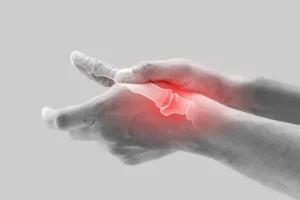 Soft tissue injuries may appear minor initially, but can become more difficult to treat if care is delayed. Inflammation, muscle guarding, and reduced mobility can lead to long-term stiffness or weakness when injuries are left untreated.
Early medical care helps:
- Identify injuries before symptoms worsen
- Reduce inflammation and pain
- Prevent long-term movement limitations
- Support faster recovery through targeted treatment
Prompt evaluation also creates medical documentation that explains how the injury developed and how it progresses during treatment.
If you are experiencing pain, stiffness, or swelling after a collision, a medical evaluation can help determine whether soft tissue damage is present. Contact us to schedule an evaluation with our team of doctors.
Treatment Options for Soft Tissue Injuries
Treatment plans depend on the severity and location of the injury. Many soft tissue injuries improve with a combination of therapies designed to reduce pain and restore mobility.
Physical Therapy for Recovery
Physical therapy helps restore strength, flexibility, and normal movement patterns after an injury. Targeted exercises gradually improve mobility while preventing stiffness and muscle weakness.
Our physical therapy team may also provide guidance on posture, stretching, and safe activity levels during recovery.
Pain Management for Persistent Symptoms
Some soft tissue injuries produce ongoing discomfort due to inflammation or nerve irritation. Pain management treatments can help reduce these symptoms and support continued recovery.
Our pain management team may recommend therapeutic procedures designed to calm irritated nerves or decrease inflammation in affected tissues.
Diagnostic Imaging and Evaluation
When symptoms persist or worsen, additional testing may help clarify the injury. Imaging studies or specialized examinations can identify deeper tissue damage that may not appear during an initial evaluation. An accurate diagnosis helps ensure that treatment plans address the underlying cause of pain.
Monitoring Recovery After a Soft Tissue Injury
 Recovery from soft tissue injuries often occurs gradually. Many patients experience improvement within weeks, but others may require longer rehabilitation depending on the severity of the injury.
Monitoring recovery at ImpactMD Accident Care allows our team to:
- Track progress over time
- Adjust treatment plans when needed
- Identify complications early
- Help patients return to normal activities safely
Regular follow-up appointments at our office ensure that healing continues in a stable, predictable manner.
Frequently Asked Questions About Soft Tissue Injuries
What Is the Difference Between a Sprain and a Strain?
A sprain involves stretching or tearing of a ligament, while a strain affects a muscle or tendon. Both are common after car accidents and may require different treatment approaches depending on the location and severity of the injury.
Will My Soft Tissue Injury Show Up on an MRI?
MRI imaging is more effective than X-rays for identifying soft tissue damage. If your symptoms suggest a significant injury, our team may recommend imaging to get a clearer picture of the affected structures.
Do I Need a Referral to Be Seen at ImpactMD Accident Care?
No referral is needed. You can contact us directly to schedule an evaluation after an accident. Same-day appointments are available so you can be seen quickly when symptoms appear.
What If I Was Already Treated at an Emergency Room?
Emergency rooms focus on ruling out life-threatening conditions, not ongoing soft tissue care. If you were discharged after a collision, our team at ImpactMD Accident Care can continue your evaluation, identify soft tissue injuries that may have been missed, and build a structured treatment plan to support your recovery.
Schedule an Evaluation With Our Oklahoma Soft Tissue Injury Doctors Today
Soft tissue injuries can significantly affect mobility, comfort, and daily life after a crash. At ImpactMD Accident Care, our physicians understand the full impact these injuries can have and are here to help. Early evaluation allows providers to identify injuries, begin treatment, and monitor recovery before complications develop.
Call our accident care clinic at (405) 483-3075 or contact us online to schedule a same-day appointment with our Oklahoma soft tissue injury doctors, with no out-of-pocket expense.
Recovery.



Recovery.
Hesitant to seek help? Waiting could cost you more than pain. Untreated injuries often worsen, and delayed care weakens insurance claims. Document your case now—ensuring timely treatment and fair compensation.
Your future self will thank you.
© 2026 Impact MD Accident Care All Rights Reserved.
