
Long-Term Pain Management & Recovery Monitoring in Oklahoma City
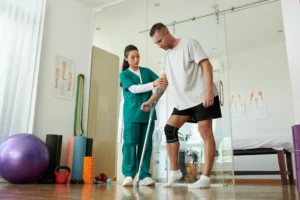 Recovering from an accident does not always end when the initial pain fades. For many people, symptoms linger, flare up unexpectedly, or begin interfering with work and daily life months after the injury. Ongoing discomfort, stiffness, or nerve-related pain can make it difficult to feel fully recovered.
Structured long-term pain management and recovery monitoring at ImpactMD Accident Care in Oklahoma City focuses on more than temporary relief. By tracking how your body responds over time and adjusting treatment as needed, long-term care helps prevent setbacks, protect mobility, and support steady progress toward lasting function and quality of life.
If you’re still hurting or just unsure whether what you’re feeling is normal, it’s okay to ask questions. You deserve clear guidance and a plan that makes sense for your recovery. To speak with the ImpactMD Accident Care team about next steps, call (405) 483-3075 or contact us online.
Why Long-Term Pain Management Matters After an Accident
 Pain that lasts beyond the initial healing phase is common after car accidents and other traumatic injuries. Soft tissue damage, joint irritation, nerve involvement, and altered movement patterns can continue long after bones heal or swelling subsides.
Without proper monitoring, these issues can quietly worsen. People may compensate for pain by changing how they move, which can strain other joints and muscles. Over time, this can lead to chronic discomfort, reduced mobility, and delayed recovery.
Long-term care helps by:
- Tracking symptoms over time: Identifying patterns, triggers, and improvement trends.
- Adjusting treatment plans: Modifying therapy, injections, or activity levels as healing progresses.
- Preventing reinjury: Addressing weakness or instability before it causes another setback.
- Supporting return to normal life: Helping patients resume work, exercise, and daily routines safely.
Our approach is especially important for patients who experience delayed pain or fluctuating symptoms.
Building a Chronic Pain Recovery Plan
At ImpactMD Accident Care, a structured chronic pain recovery plan is never one-size-fits-all. It evolves based on the type of injury, how your body responds to treatment, and your personal goals, with a focus on steady improvement rather than quick fixes.
Ongoing Evaluation and Monitoring
Long-term recovery begins with consistent check-ins. Follow-up visits allow providers to assess pain levels, range of motion, strength, and functional limits. Imaging or diagnostic testing may be revisited if symptoms change or plateau.
Monitoring helps answer key questions:
- Is the pain improving, stable, or worsening?
- Are certain activities causing flare-ups?
- Is the current treatment still effective?
These answers guide the next steps and prevent unnecessary delays in care.
Coordinated Treatment Over Time
Recovery often involves multiple phases. Early treatment may focus on reducing inflammation and controlling pain. Later phases emphasize strengthening, flexibility, and restoring normal movement.
Long-term plans may include:
- Physical therapy progression: Advancing exercises as strength and mobility improve.
- Interventional pain management: Using injections or procedures when appropriate to control persistent pain.
- Activity modification guidance: Helping patients increase activity safely without triggering setbacks.
The goal is sustainable improvement, not short-term relief that fades.
Pain Management Follow-Up Care and Why It Matters
Pain management follow-up care is essential for keeping recovery on track. Unfortunately, many accident patients feel better after initial treatment and stop care too soon, only to see symptoms return weeks or months later.
Follow-up care allows providers to:
- Identify early warning signs of recurring pain
- Adjust medications or therapies before symptoms escalate
- Address new pain that develops as activity levels increase
Consistent follow-up also provides patients with a clear roadmap for recovery, reducing uncertainty and frustration throughout the healing process.
Addressing Flare-Ups and Setbacks
Flare-ups do not mean treatment has failed. They often signal that the body needs an adjustment in care. Follow-up visits help determine whether pain is due to overuse, inflammation, or another underlying issue. By responding early, long-term care can prevent minor setbacks from becoming long-term problems.
How to Maintain Pain Relief After Treatment
Many patients ask how to maintain pain relief after treatment once they start feeling better. Long-term success depends on consistency and awareness.
Staying Active Without Overdoing It
Movement is a key part of recovery, but balance matters. Gradually increasing activity while respecting pain signals helps prevent reinjury. Providers often recommend specific exercises or activity limits based on progress.
Following Through With Home Care
Home exercises, stretching routines, and posture guidance play a major role in maintaining results. Skipping these steps can allow stiffness or weakness to return.
Regular Check-Ins
Even when pain is controlled, periodic follow-ups help ensure progress continues. These visits allow adjustments before minor issues become major obstacles.
Monitoring Recovery Progress Over Months, Not Just Weeks
One of the most significant issues with post-accident care is the assumption that improvement should follow a straight line. In reality, recovery often happens in phases. Pain may decrease for a period, then return as activity levels increase or as the body adapts to new movement demands. Long-term pain management in Oklahoma City focuses on recognizing these patterns instead of reacting only when pain becomes severe again.
Recovery monitoring looks beyond pain scores alone. At ImpactMD Accident Care, our providers track how injuries affect sleep, endurance, posture, gait, and daily function. A patient who reports “manageable pain” may still be dealing with subtle limitations that increase the risk of reinjury or long-term stiffness. Identifying these issues early allows care plans to evolve before progress stalls.
Consistent monitoring also helps differentiate between normal healing discomfort and signs of a developing chronic condition. This distinction matters because the treatment approach changes depending on the underlying cause. Ongoing evaluation provides clarity, reassurance, and direction during what can otherwise feel like an unpredictable recovery process.
Preventing the Shift From Acute Pain to Chronic Pain
One of the main goals of our extended care plans is to prevent acute injuries from becoming long-term pain conditions. Chronic pain often develops when inflammation, nerve sensitivity, or movement dysfunction goes unaddressed for too long. Once pain becomes ingrained, it can affect the nervous system itself, making symptoms harder to control.
Long-term care helps interrupt this cycle by:
- Addressing lingering inflammation before it becomes persistent
- Restoring proper movement patterns to reduce joint and muscle stress
- Monitoring nerve-related symptoms that may worsen over time
- Reinforcing consistency in treatment and self-care routines
This proactive approach is important for patients who return to physically demanding jobs, sit for long hours, or resume sports and exercise after an accident.
Adjusting Your Care as Life Demands Change
Work schedules, family responsibilities, and lifestyle changes all influence pain levels and necessary care. Long-term care allows treatment plans to adapt as patients return to normal routines. For example, increased driving, lifting, or desk work can reintroduce strain that was not present earlier in recovery.
Ongoing pain management follow-up care helps align treatment with real-life demands. Adjustments may include modifying therapy exercises, adding supportive interventions, or refining activity guidance to help patients stay active without triggering setbacks. This flexibility allows patients to maintain progress while rebuilding confidence in their bodies.
Why Patients Choose ImpactMD Accident Care for Long-Term Recovery
ImpactMD Accident Care provides structured accident care focused on long-term outcomes, not just short-term relief. As a board-certified MD-led practice, care is designed around accurate diagnosis, ongoing monitoring, and coordinated treatment under one roof.
Patients benefit from:
- Integrated services: Immediate accident care, physical therapy, pain management, and advanced evaluations in one location.
- Focus on early identification: Addressing injuries before they lead to chronic limitations.
- Ongoing monitoring: Adjusting care plans as recovery progresses.
- No out-of-pocket expense for most accident-related care: Helping patients focus on healing rather than billing.
- Same-day appointments available: Making follow-up care accessible when symptoms change unexpectedly.
Our ImpactMD Accident Care approach supports patients through every stage of recovery, from the first visit to long-term maintenance.
Frequently Asked Questions About Long-Term Pain Management and Recovery
How Long Should I Continue Pain Management After an Accident?
There is no fixed timeline. Some patients need only a few months of care, while others benefit from longer monitoring. The right duration depends on the injury severity, symptom patterns, and functional goals.
What If My Pain Returns After I Finish Treatment?
Recurring pain is common and does not mean you failed recovery. Follow-up care can identify why symptoms returned and adjust treatment to restore relief.
Can Long-Term Care Help If My Accident Was Months Ago?
Yes. Many patients seek care weeks or months after an accident when delayed symptoms appear. Long-term pain management can still address underlying issues and improve function.
Will I Need Injections or Procedures Long-Term?
Not always. Some patients benefit from interventional treatments, while others maintain relief through therapy and activity guidance. Care plans are adjusted based on response and progress.
How Do I Know If My Pain Is Becoming Chronic?
Pain that lasts longer than expected, interferes with daily activities, or returns repeatedly may signal a chronic pattern. An evaluation can determine the best next steps.
ImpactMD Accident Care: Supporting Recovery Beyond the Initial Injury
Long-term pain management focuses on the full recovery picture, not just symptom control. Monitoring progress over time helps patients regain confidence in movement, reduce fear of reinjury, and return to normal routines safely. By addressing pain patterns early and adjusting care as needed, long-term monitoring helps protect progress and support lasting improvement.
If ongoing pain is affecting your life after an accident, structured long-term care can help. Call (405) 483-3075 or contact us online to discuss recovery options. Learn more about our approach at ImpactMD Accident Care and find out how coordinated monitoring and follow-up care can support lasting recovery.
Recovery.



Recovery.
Hesitant to seek help? Waiting could cost you more than pain. Untreated injuries often worsen, and delayed care weakens insurance claims. Document your case now—ensuring timely treatment and fair compensation.
Your future self will thank you.
© 2026 Impact MD Accident Care All Rights Reserved.
