
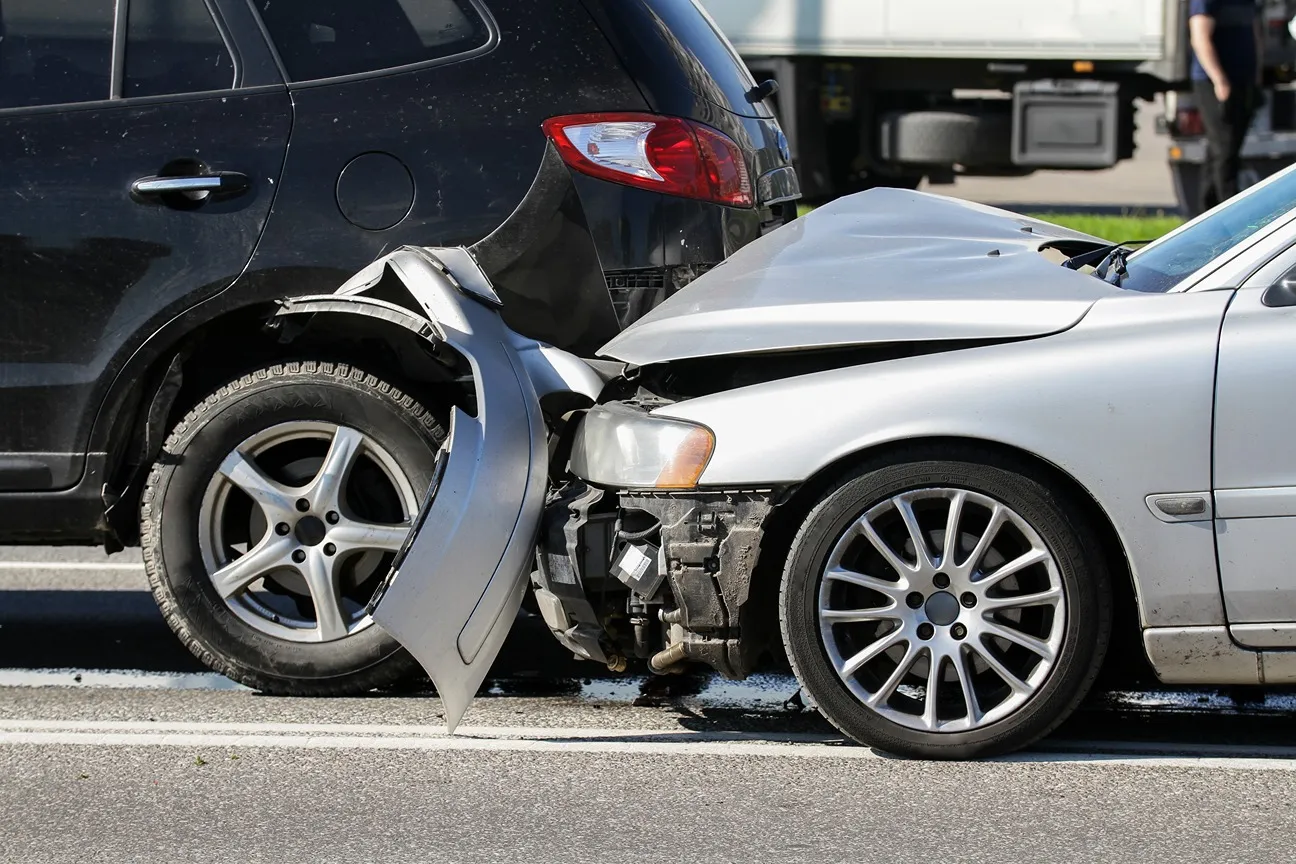
The unexpected nature of car accidents doesn’t change the fact that they occur daily. During everyday routine activities, like driving to work or picking up your kids, a single moment can change everything. The car accident doctors at ImpactMD Accident Care directly observe that accidents produce diverse injuries, which may remain symptomless for some time.
Understanding accident patterns and injury risks helps determine when medical care is needed, even when symptoms don’t present immediately. Call us at 405-483-3075 if you are suffering from an injury.
Rear-End Collisions
The most frequent type of car crash occurs when vehicles collide from behind. Rear-end collisions predominantly happen during heavy traffic conditions or when vehicles stop suddenly at intersections. A rear-end collision can result in substantial injuries to the neck and spine, even when the vehicle speed is low.
The most common injury sustained in rear-end collisions is whiplash, which happens when the neck snaps forward and backward quickly. The sudden movement during a rear-end collision can result in pain, stiffness, and headaches while reducing your ability to move normally.
T-Bone Accidents
In T-bone accidents, one car collides with the side of another vehicle. Intersections are common sites for these accidents because drivers sometimes neglect to stop or yield to other vehicles. Side impacts produce more severe injuries because vehicle sides provide less protection compared to the front or rear areas.
Passengers frequently endure shoulder trauma, hip or pelvic injuries, and rib fractures in these collisions. During a crash, passengers face head injury risks when they hit the window, door, or airbag. Diagnostic imaging becomes essential after side-impact crashes because internal injuries may happen without any immediate symptoms or visible injuries.
Head-On Collisions
Although head-on collisions happen less frequently, they tend to be much more severe in nature. Head-on collisions take place when two vehicles traveling in opposite directions collide front-to-front because of factors such as distracted driving, driver fatigue, or impaired driving. The force of head-on collisions doubles due to the forward movement of both vehicles. This results in multiple injuries, such as fractures, traumatic brain injuries (TBI), chest trauma, and damage to soft tissues throughout the body. These crashes have the potential to change lives, even when vehicles collide at moderate speeds.
Multi-Vehicle Pileups
 Highways and bad weather conditions often lead to multi-car collisions when limited visibility or abrupt braking initiates a domino effect. Multi-directional impacts make these accidents hazardous because vehicles can strike from various directions multiple times. Various types of injuries can occur during these accidents, which range from spinal injuries to dislocated joints to multiple impact trauma. Multi-car accidents are more likely to cause psychological trauma that manifests as anxiety, confusion, or emotional shock.
When to Seek Medical Care
For any kind of accident, you should seek an immediate medical evaluation, even when you feel minimal pain. Symptoms from injuries such as whiplash, concussions, and soft tissue trauma often appear later. Beginning treatment promptly after an evaluation can support full recovery and help prevent long-term complications.
Injured? Contact ImpactMD Today
ImpactMD Accident Care provides patients with same-day visits and walk-in care options, which include accident-related treatment at no out-of-pocket cost. Our board-certified physicians perform professional evaluations, provide on-site imaging, and develop personalized treatment plans, which include physical therapy, pain management, and TBI or orthopedic assessments. We can help you achieve full recovery. Call us today at 405-483-3075.
