
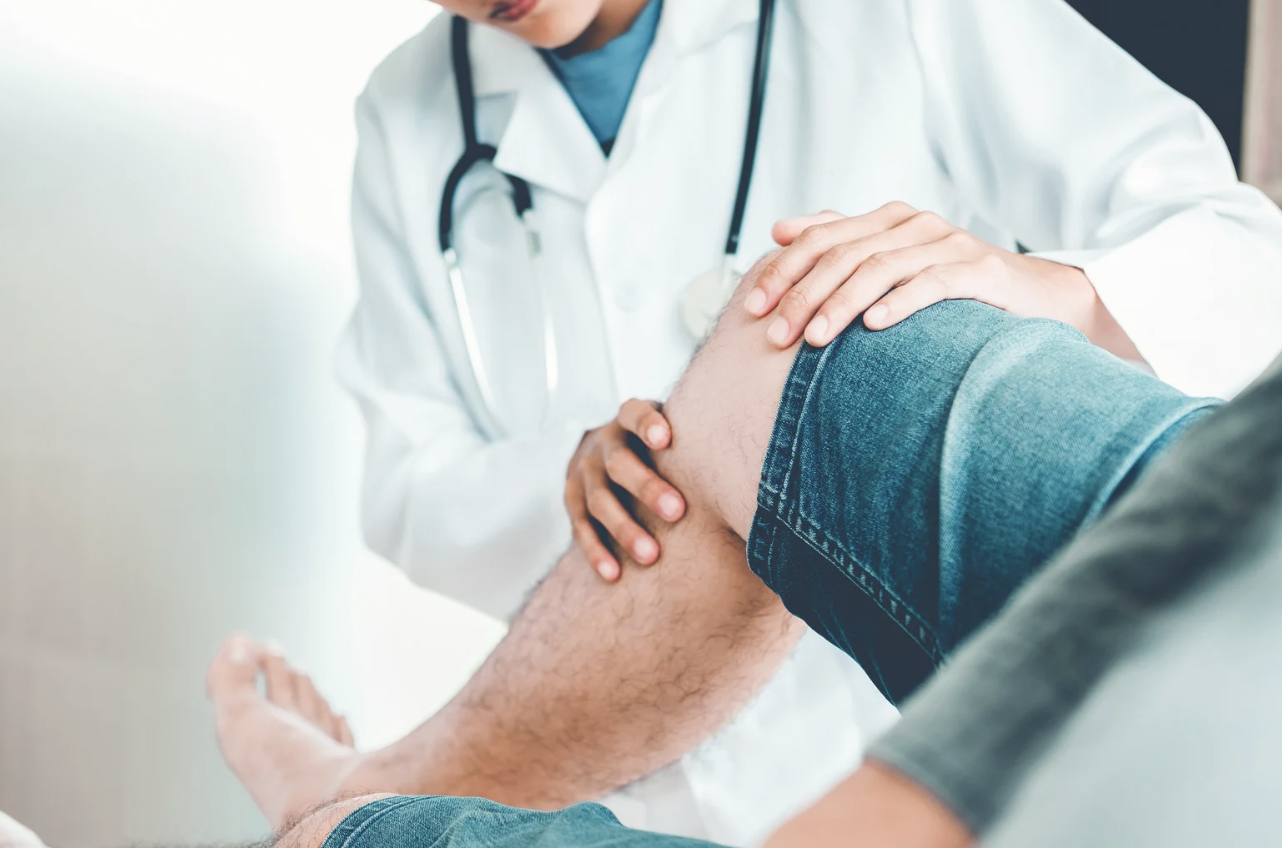
The best physical therapy after a serious collision is built around your specific injuries, symptoms, and recovery goals rather than a one-size-fits-all plan. A personalized approach restores movement, reduces pain, rebuilds strength, and adapts as your body heals.
Why Physical Therapy Matters After a Major Collision
Even when fractures or emergency injuries are treated first, many crash victims still face lingering problems involving muscles, joints, nerves, and soft tissue. Seatbelt force, airbag deployment, impact rotation, and sudden deceleration can strain nearly every part of the body, and for drivers injured on high-traffic roads like I-35, I-40, and I-44, the Broadway Extension, or busy intersections along NW Expressway and Memorial Road, those forces are often significant.
Common post-crash problems include:
- Neck pain and reduced turning ability
- Back pain when sitting, bending, or lifting
- Shoulder pain from bracing during impact
- Hip or knee pain after dashboard or door contact
- Headaches linked to muscle tension or concussion symptoms
- Weakness and poor balance after inactivity
Without treatment, these issues can worsen as the body compensates in unhealthy ways.
What Makes Physical Therapy the “Best” After a Severe Crash?
Physical therapy is a hands-on, movement-based treatment designed to restore strength, flexibility, balance, and normal body function after something like a car accident injury. The best therapy is not a single exercise or machine. It is a structured recovery plan based on medical findings, imaging when needed, and how your symptoms affect daily life.
Strong post-accident physical therapy should include:
- Accurate assessment: Identifying the true source of pain and movement loss.
- Individualized planning: Matching treatment to your injuries and stage of healing.
- Progressive care: Safely increasing activity over time.
- Functional goals: Helping you drive, work, sleep, lift, and move again.
- Ongoing reassessment: Adjusting treatment when symptoms change.
After severe crashes, where multiple body areas may be injured at once, that kind of structured approach matters more, not less.
Best Physical Therapy Methods After a Severe Car Crash
Manual Therapy For Stiffness And Pain
Hands-on treatment can help restore motion in joints and soft tissue affected by trauma. This may include guided mobilization, stretching, and tissue work to reduce guarding and improve movement. Manual therapy is often helpful for the neck, shoulders, ribs, lower back, and hips after a violent collision.
Therapeutic Exercise For Strength And Stability
After a crash, many patients stop moving normally, and muscles weaken quickly, especially in the core, glutes, shoulders, and neck stabilizers. Therapeutic exercise may focus on:
- Core support for spine protection
- Shoulder blade control
- Hip strength for walking and stairs
- Neck endurance for posture
- Balance and coordination
Range of Motion Training
Severe crashes frequently leave patients feeling locked up. Gentle guided movement helps restore flexibility without overloading injured tissues.
Postural Retraining
Many people unconsciously lean, guard, or move unevenly after a crash. Correcting posture and movement patterns reduces ongoing strain that would otherwise build over weeks.
Balance and Vestibular Therapy
If the crash involved a head injury, dizziness, or concussion-type symptoms, balance-focused therapy may be recommended alongside a TBI evaluation.
Common Injuries That Benefit From Physical Therapy
Physical therapy is commonly recommended after crashes involving:
- Whiplash and neck strain
- Lumbar sprains and disc irritation
- Shoulder impingement or rotator cuff strain
- Knee pain from dashboard impact
- Hip and pelvic dysfunction
- Rib and chest wall pain
- Joint stiffness after fractures or immobilization
- Soft tissue trauma with delayed soreness
How Soon Should Therapy Start?
Starting care early is generally helpful once serious emergency conditions are ruled out. Waiting too long can make pain patterns, weakness, and reduced range of motion harder to correct. That does not mean aggressive treatment on day one. Good therapy starts at the right level for your current condition.
Early phases may focus on:
- Pain control
- Gentle mobility
- Safe walking and movement
- Reducing inflammation
- Protecting healing tissue
Later phases often progress into strength, endurance, and return-to-work activity.
How Long Does Recovery Take?
There is no universal timeline. Some patients improve within weeks, while others with severe injuries need months of structured care. Recovery depends on:
- Severity of impact
- Number of injured body regions
- Pre-existing spine or joint problems
- Concussion symptoms
- Need for surgery
- Consistency with treatment
- Job demands and daily activity level
The best therapy plan changes as you improve, which is why ongoing reassessment is built into every stage of care at ImpactMD.
Signs You Need Re-Evaluation During Therapy
Tell your provider if you notice:
- Pain sharply worsening
- Numbness or tingling spreading
- New weakness
- Persistent dizziness
- Sleep disruption from pain
- No measurable progress after several visits
These signs may mean the plan should be modified, or a further medical evaluation is needed.
Start Your Recovery at ImpactMD Accident Care
At ImpactMD Accident Care, we offer physical therapy, medical treatment, and pain management under one roof, so your providers are working from the same information and your recovery does not depend on separate offices coordinating with each other. Our board-certified MD-led clinic also provides advanced evaluations for orthopedic concerns and head trauma symptoms that standard ER visits often miss.
Same-day appointments are available for crash victims across Oklahoma City, including those injured on the interstate, Lake Hefner Parkway, or near Penn Square. Many accident cases involve no out-of-pocket expense, and our staff can help you sort out the coverage question when you call.
If you are hurting after a crash, waiting allows stiffness, weakness, and pain to develop further. Call (405) 483-3075 or contact us online today to schedule your appointment.
